Research Criminal Procedure for the Right Jurisdiction
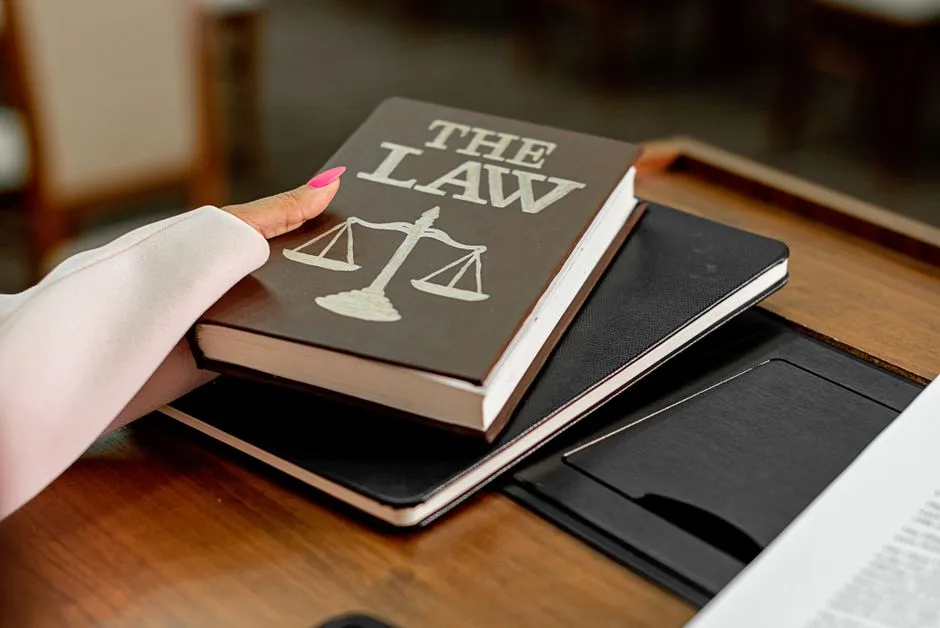
- Criminal-procedure research begins with place and time
- Write a fact card for the scene
- Start with primary sources
- Use secondary sources for explanation
- Observe boundaries around records
- Ask professionals precise questions
- Track every claim
- Build accuracy at the consequence point
- Recheck before delivery
- Model the source discipline on the page
Criminal-procedure research begins with place and time
Criminal procedure is not one global sequence. Authority, rights, terminology, court structure, evidence, deadlines, and professional roles depend on jurisdiction, date, alleged conduct, agency, and stage. For fiction, define those variables before asking whether a scene is “realistic.” Without a precise scene question, research can collect material that never resolves the plot issue.
This is a method for writers, not guidance for a real matter.
Write a fact card for the scene
Record country or legal system, state or province where relevant, court, year, agency, character role, stage, alleged offense, custody status, and the exact action you want to depict. Turn the scene into a narrow question.
“Can the detective do this?” is vague. “Can this role request this record at this stage in this setting?” is researchable.
Start with primary sources
Look for current legislation, rules, official court guidance, published decisions where appropriate, agency policy, forms, and official procedural materials. Confirm effective dates and amendments. An official page written for the public can orient you, but read the controlling material before making a precise legal claim.
Never cite a document you have not opened and read. Save the title, issuing body, URL, effective date, and exact passage in the research ledger.
Use secondary sources for explanation
Reliable treatises, practice guides, academic work, and professional education can explain context and vocabulary. Check their date, jurisdiction, author, and cited authority. Use them to find primary sources rather than treating a confident summary as final authority.
The courtroom vocabulary guide helps track terms that look familiar but change meaning across systems.
Observe boundaries around records
Public access does not mean every record is public, complete, free, searchable, reusable, or ethically harmless. Rules may restrict sealed, confidential, juvenile, personal, or sensitive material. Follow access and use requirements.
The court-record research guide adds privacy and context checks to document work.
Ask professionals precise questions
After reading, interview a qualified person familiar with the role and jurisdiction. Give the fictional facts, acknowledge uncertainty, and ask what would usually happen, what could vary, and which detail writers commonly miss.
Use the expert-interview guide to request experience without asking someone to reveal confidential information or advise a real case.
Track every claim
Maintain a research ledger with scene, claim, jurisdiction, source title, link or citation, effective date, passage, uncertainty, and reviewer note. Mark facts that remain unresolved.
If a recommendation differs from a source, label it as a fictional choice rather than attributing it to the source.
Build accuracy at the consequence point
Not every administrative detail deserves equal attention. Verify the facts that cause an arrest, search, detention, disclosure, ruling, charge, plea, verdict, sentence, release, or other major turn. An incorrect legal consequence damages the plot; a clearly disclosed compression of routine movement may not.
Where detail is uncertain, simplify instead of inventing authority.
Recheck before delivery
Rules and official guidance can change. Reopen key sources near final revision and confirm dates. Ask a qualified local reader to review scenes whose outcomes depend on law or practice.
Good legal research does not make fiction sound like a manual. It gives characters verified boundaries to push against and keeps rules attached to the correct jurisdiction and date.
Model the source discipline on the page
For a U.S. federal setting, begin with the U.S. Courts’ current Federal Rules of Criminal Procedure and Federal Rules of Evidence. These sources govern federal proceedings, not every court. Use one ledger across this site: scene, claim, jurisdiction, source title, link, effective date, passage or page, uncertainty, and reviewer note.