
Legal Research for Fiction
Build an Evidence Timeline That Exposes Plot Gaps
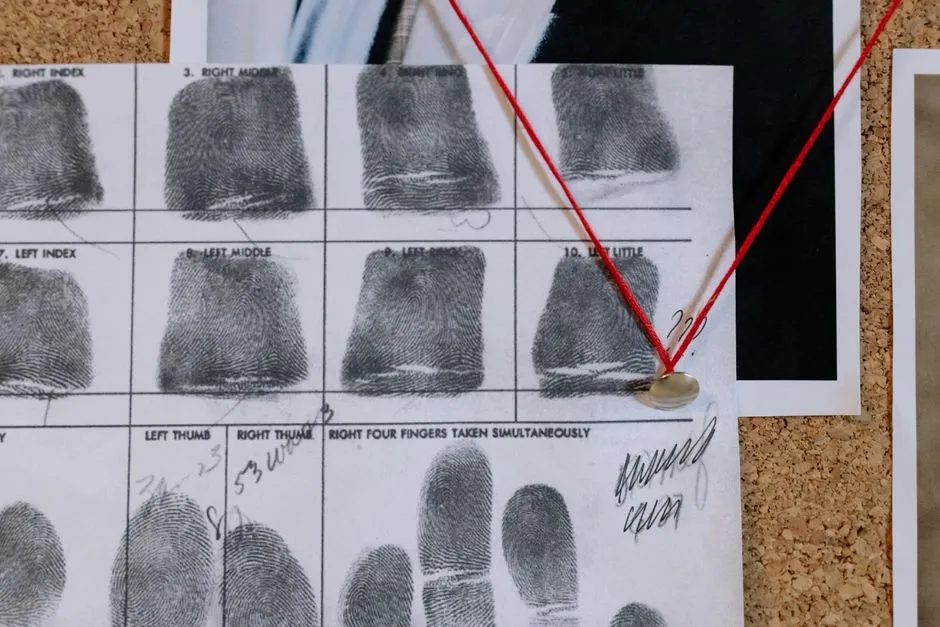
Build an evidence timeline with separate columns for event time, record creation, observation, collection, discovery, analysis, and changed interpretation.
Legal research for fiction begins with a precise question and the correct jurisdiction, then follows current primary material and knowledgeable human review. The aim is believable storytelling built from current, setting-specific sources and clearly labeled uncertainty.
Build an evidence timeline with separate columns for event time, record creation, observation, collection, discovery, analysis, and changed interpretation.

Fact-check courtroom vocabulary by listing every role, court, document, action, hearing, order, and form of address, then tying each to the scene's…

Interview legal professionals after researching the role and jurisdiction.

Create legal-ethics conflict from a specific role, client relationship, jurisdiction, rule, and fact pattern.

Write plea negotiations by defining the jurisdiction, charges, evidence, stage, available outcomes, participants, and formal approval process.

Research criminal procedure for fiction by defining the jurisdiction, year, court, agency, character role, stage, and exact action.

When fiction draws from real crime, identify the underlying theme or system and invent a new causal story instead of copying a person's distinctive life.

Use court records for fiction by defining the detail you need, learning the file structure, and distinguishing allegations, evidence, arguments, findings,…
Write a jury scene by giving jurors distinct but plausible interpretations of evidence that actually reached them.

Write fictional police documents by defining their story purpose, then researching the exact document type, agency context, author, timing, audience, and…