Write a Suspect Interview as a Contest of Objectives
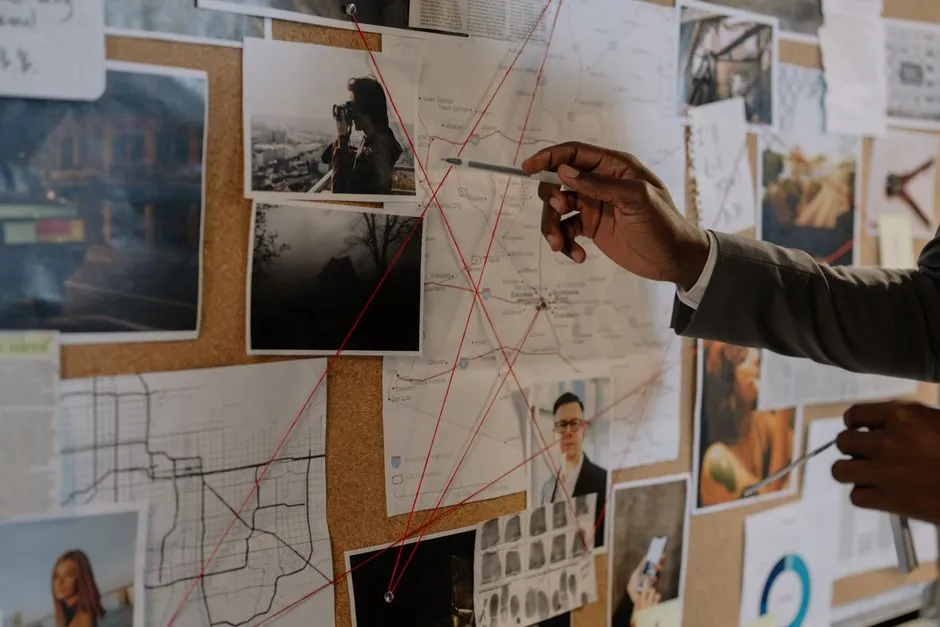
A suspect interview is a contest of objectives
An interview scene gains tension when the questioner wants information and the other person wants something else: safety, status, privacy, time, protection, revenge, or control of the story. The person being questioned may be innocent of the central crime and still have powerful reasons to evade. That gap creates more interesting dialogue than a row of questions waiting for confession-shaped answers.
Research the role, setting, and legal context before choosing tactics.
Define what each person knows
Create separate lists for facts, beliefs, lies, omissions, and false assumptions. Decide which information each character knows the other has. This prevents the suspect from anticipating questions by telepathy or the investigator from discovering facts between paragraphs.
The lawyer-versus-detective guide helps limit the questioner’s access and authority to the chosen fictional role.
Give both sides an immediate goal
The interviewer may seek a timeline, contradiction, name, consent, reaction, or testable detail. The suspect may want to leave, redirect suspicion, protect another person, learn the case, or appear cooperative.
Write the objective behind each conversational turn. A repeated question should use a new pressure or expose a changed calculation.
Verify the label and setting
Terms, powers, rights, recording, detention, and permissible conduct vary by jurisdiction, agency, status, and circumstance. Do not use labels as universal technical categories. Verify the exact fictional situation with current primary sources and qualified review.
This article offers scene craft, not tactics for real questioning or advice about speaking to authorities.
Let questions create choices
Describe the exchange through narrative effects rather than a list of real questioning techniques. Each turn should make the fictional character choose what to reveal, deny, reinterpret, or ask in return, without giving readers a script for pressuring a real person.
Do not use one phrase as an automatic route to truth. Let new information emerge from established motives, facts, omissions, and contradictions.
Build voice from strategy
One suspect answers exactly, another performs outrage, another overexplains, and another treats every question as a negotiation. Connect those patterns to motive, relationship, and perceived risk rather than a simplistic guilt signal.
The crime-motive guide helps build reasons for behavior that do not rely on stereotypes.
Use physical detail selectively
Choose observable actions that matter to the viewpoint: a delayed reach for a document, a changed posture when a name appears, or attention fixed on the exit. Avoid using any single gesture as conclusive evidence of truth or deception. Let characters interpret behavior, allow that interpretation to be wrong, and require other story evidence before the theory changes.
Let the investigator interpret, and allow that interpretation to be wrong.
End with a changed theory
An interview can produce a contradiction, partial corroboration, new lead, damaged relationship, or sharper uncertainty. The alibi guide shows how a statement becomes interesting when it can be tested.
After the scene, the next action should differ because the exchange happened.
A suspect-interview scene should change the information, relationship, or theory while remaining scene craft rather than advice for questioning a real person.
Keep the scene boundary explicit
This article supports fiction, not real questioning and not advice about speaking to authorities. Do not add scripts, sequencing, pressure tactics, deception-detection claims, or methods for exploiting vulnerability. Research only the fictional role, rights, setting, and procedure through current official sources and qualified local review, then write what the exchange changes in the story.